Portfolio · Guillaume Couillard Computer engineer · Normandy, France

From need to product.

Understand a domain. Develop a solution. Take it through to use.

I am looking for a versatile technical role, designing solutions and leading their implementation.

Download my CV (PDF) ↗

One approach, several fields.

  1. Map the situationUsers, constraints and available sources.

    Map the situation

    Gather what already exists before choosing a solution. Understand the domain and the limits of the information.

    • Software: find the public data useful to property research.
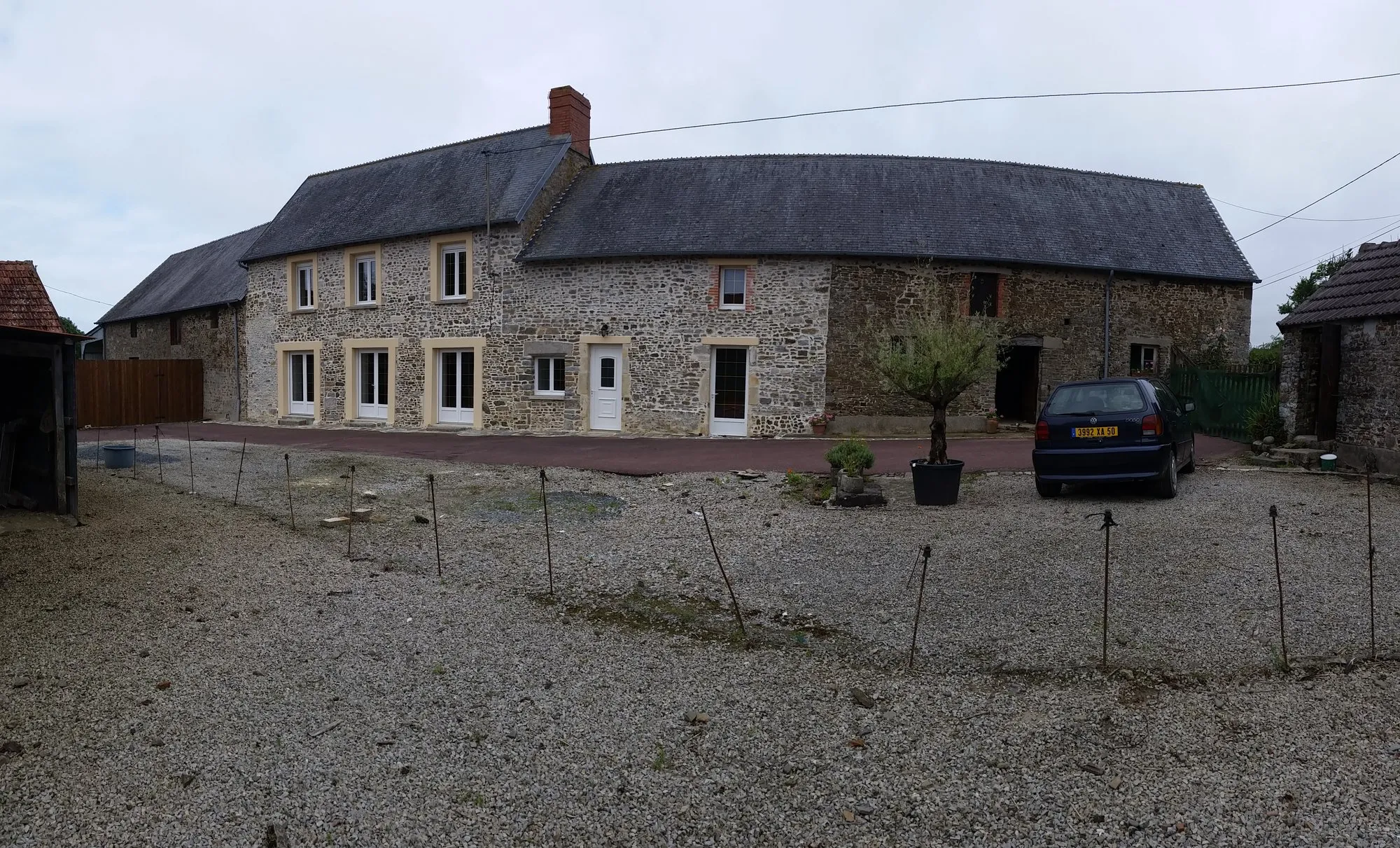
    • Renovation: examine the building and its existing constraints.
    The data and its limitations →
  2. Identify needsThe problem worth solving.

    Identify needs

    Connect the information to a practical need, then define the result that will make the solution useful.

    • House: combine low energy use, solar production and summer comfort.
    • IT support: listen to users to understand the difficulties they encounter.
    The needs behind the house →
  3. DevelopLearn, design and experiment.

    Develop

    Learn the tools of the domain and put ideas to the test. Evolve the solution in response to what the results reveal.

    • Software: architecture, AI-assisted code and tests.
    • Building: learn Revit and translate design decisions into plans.
    Examine the technical approach →
  4. BuildImplement and coordinate the work.

    Build

    Move from design to a concrete result. Coordinate contributions and adapt decisions to the constraints encountered.

    • Construction: compare solutions and quotes, coordinate professionals.
    • Software: integrate sources and deploy a usable tool.
    Explore the documented building projects →
  5. DeliverCheck, explain and improve through use.

    Deliver

    Make the result understandable and usable, with evidence and explicit limitations. Then learn from actual use.

    • House: document decisions and the independent airtightness test.
    • Hosting: explain how the property works and refine the organisation through feedback.
    Put the projects in context →

Personal projects and volunteer contributions, with no commercial activity.
From data to a usable tool

Bring scattered property research together. Define the need, write code, test and deploy Foncier.

Delivered One address, five data families, one sourced record.
One search.
Five perspectives on a place.

For my property projects, the information was scattered. I built Foncier to bring it together in one record, with its sources and limitations.

My role, tests and limitations

Problem definition, architecture, development with AI assistance, testing and deployment. I evaluated the service on 40 public parcels; results depend on that sample and the sources. Address-to-parcel resolution remains an explicit limitation.

Read the architecture and results →
One address
  • Cadastre
  • Sales
  • Planning
  • Energy
  • Risks
One sourced record

Source · Date · Limitations

Public records brought together in one place.
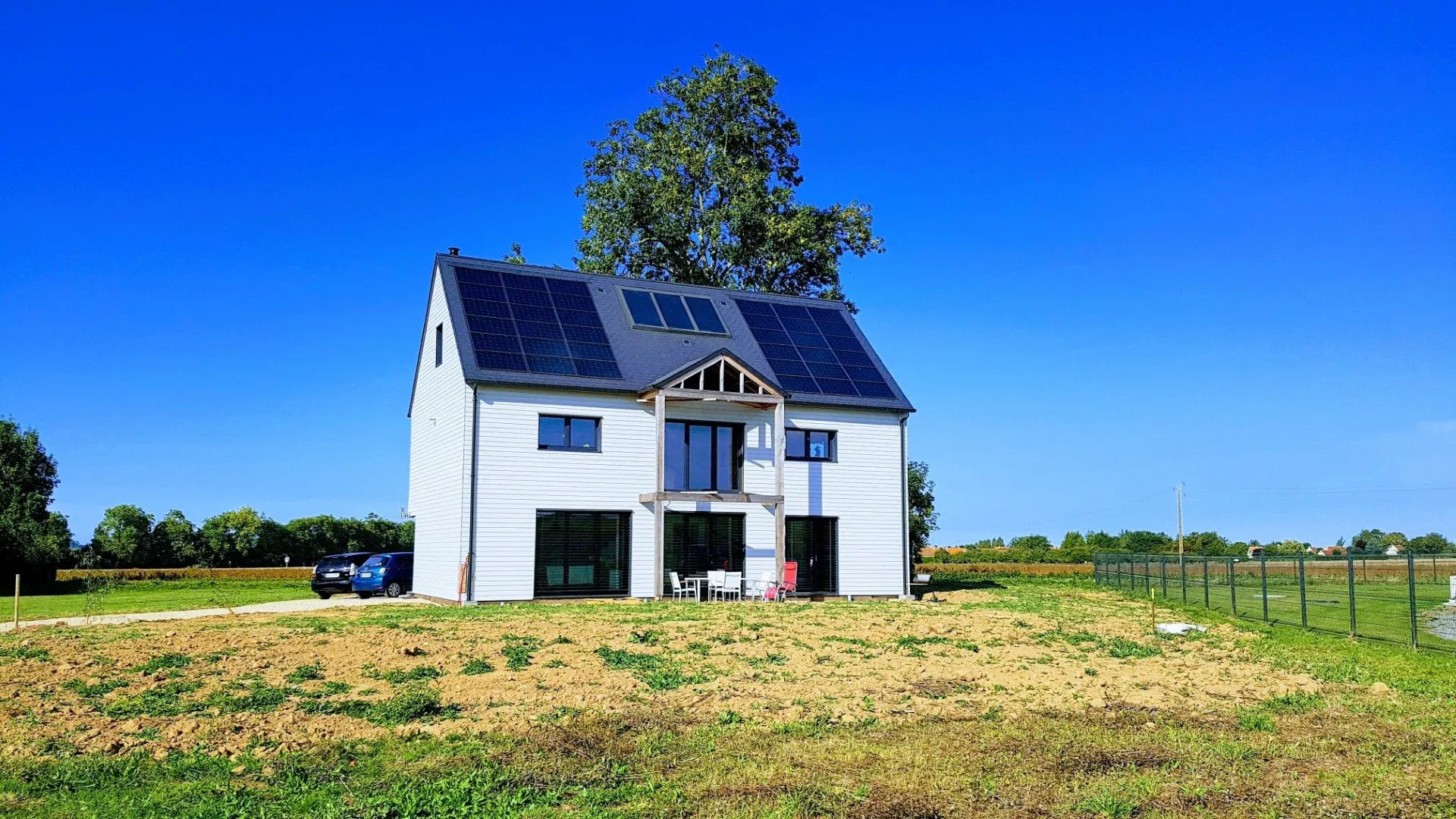
Facade of the completed passive house, with its photovoltaic roof
From plans to construction: a house designed to use very little energy and produce its own with the sun.
  • SunlightElectricity and hot water
  • Keeping warmth inTriple glazing and extra insulation
  • Summer comfortLimiting overheating
  • RainwaterCollecting rather than wasting

Very little heating.
Sunlight to produce energy.

Starting with no building experience, I designed and built a passive, energy-positive house. Insulation, sunlight, water and comfort: technology and simple solutions designed together. The construction story shows how each decision works in the house.

Three times less air leakageIn the airtightness test, compared with the maximum allowed for a passive house. Particularly careful workmanship, verified by an independent firm.

Understand and check the measurement

The test pressurises the house to measure air passing through leaks: 0.20 air changes per hour, compared with a limit of 0.60 at the same pressure of 50 Pa. This measures airtightness, rather than total energy consumption. The positive energy balance comes from the regulatory calculation cited in the construction story.

The limit explained by the Passive House Institute ↗
See the project and its evidence →

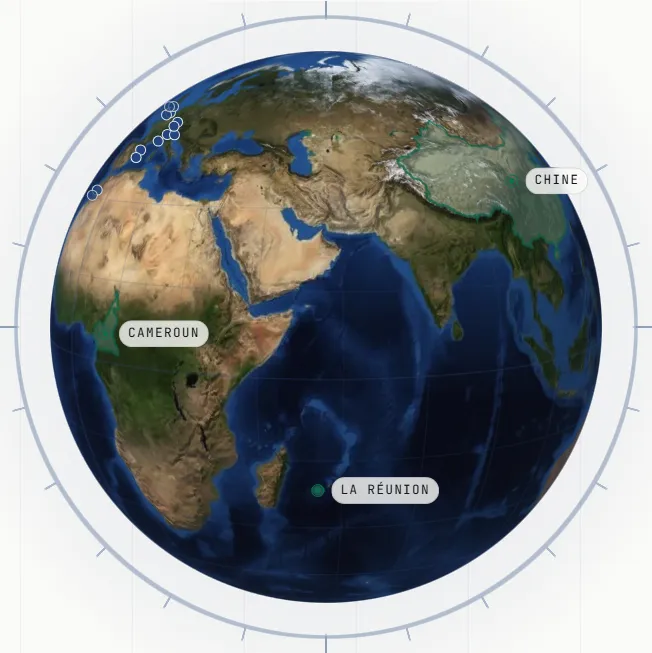
A globe to explore.
Travel journals to discover.

A globe to rotate, destinations to focus on and three illustrated travel journals. An interaction built for this site, using mouse, touch or keyboard.

Explore the globe (in French) →

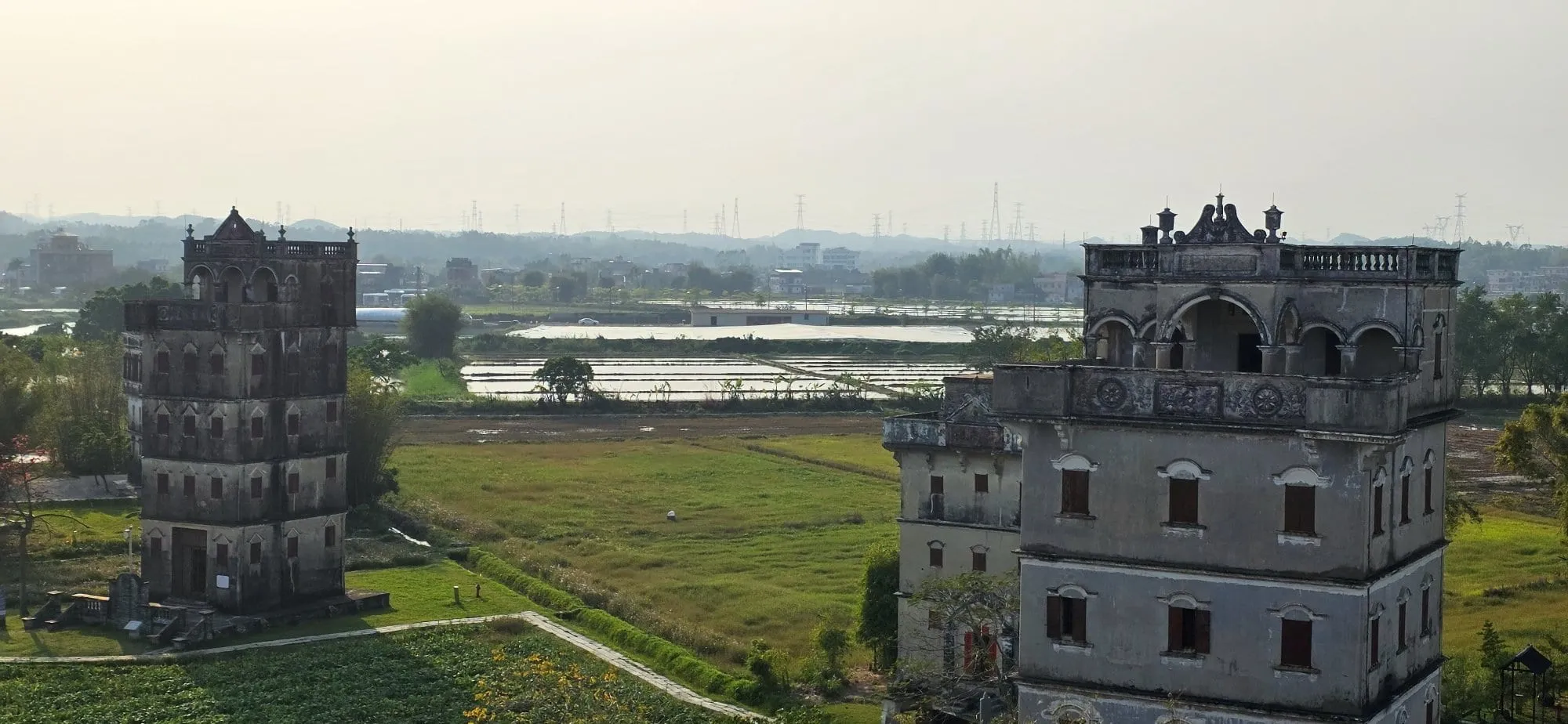
Rotate it here, then open a journal. Each destination leads to photographs and a story in French.

Globe showing China, Cameroon and Réunion

Drag to rotate · select a destination to focus on it Escape or return to go back to the globe On the globe: arrow keys rotate, + and − zoom.

The decisions behind the projects.

Questions about this portfolio

What can I try here?

Foncier brings together public data for a French address: cadastral parcels, sales, planning, energy certificates and risks. The demo needs no account. The case study and public code explain the decisions, tests and limitations.

What was my role in Foncier?

I defined the need from my own property research, designed the architecture, developed with AI assistance, tested and deployed the service. I document decisions and fixes so I can explain and evolve what I build.

How does this relate to forward deployment?

Forward deployment brings engineering close to users: understanding a domain, adapting a tool to its constraints and supporting its implementation. This vocabulary reflects my interest in products and field work; my background describes the roles I have actually held.

Who is Guillaume Couillard?

Computer engineer in Normandy, France. Twenty years in information systems, from the automotive industry to public health. What I build: code, sites in the cloud, renovations, and even a passive, energy-positive house. Two intelligences at work: the artificial one, and the emotional one that decides whether what we ship gets used. I document what I learn by building.

Discuss a technical role.

Building products, understanding use cases and leading implementation: that is the role I am looking for.